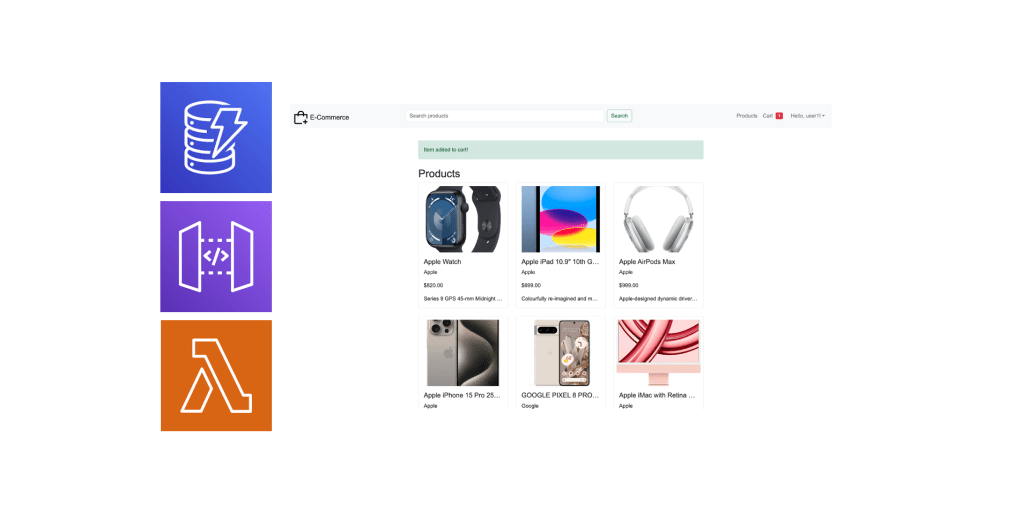
Overview:
This e-commerce platform allows users to browse products, manage a shopping cart, and place orders. This e-commerce website built using AWS services provides how serverless microservices can be used to build scalable and efficient applications. By utilizing AWS Lambda, API Gateway, and DynamoDB, I minimized infrastructure, improved scalability, and ensured a smooth user experience.
Screenshots



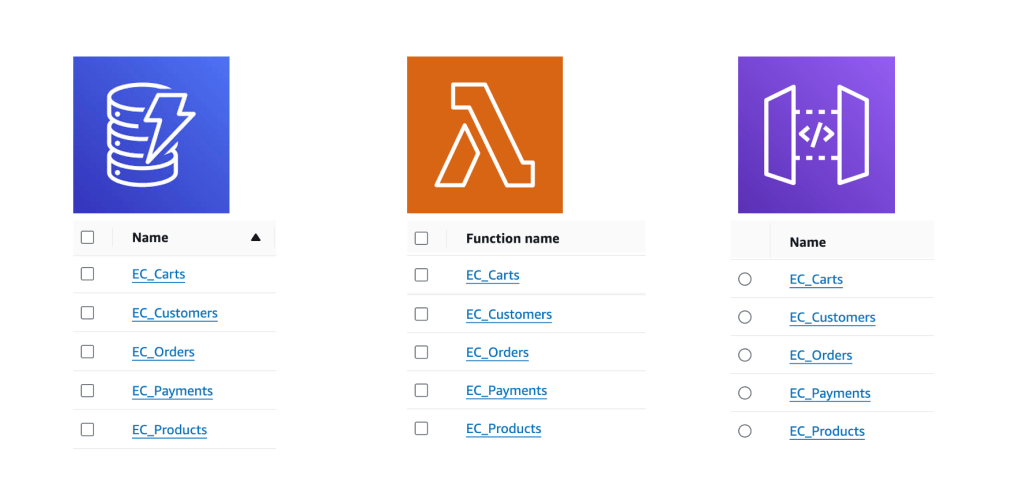
Key Features:
- Microservices Architecture:
- Each core functionality, such as product management, cart management, and order processing, is developed as an independent microservice, ensuring modularity and scalability.
- Serverless Architecture:
- AWS Lambda, API Gateway, and DynamoDB eliminate the need for provisioning or managing servers, reducing infrastructure costs while maintaining scalability.
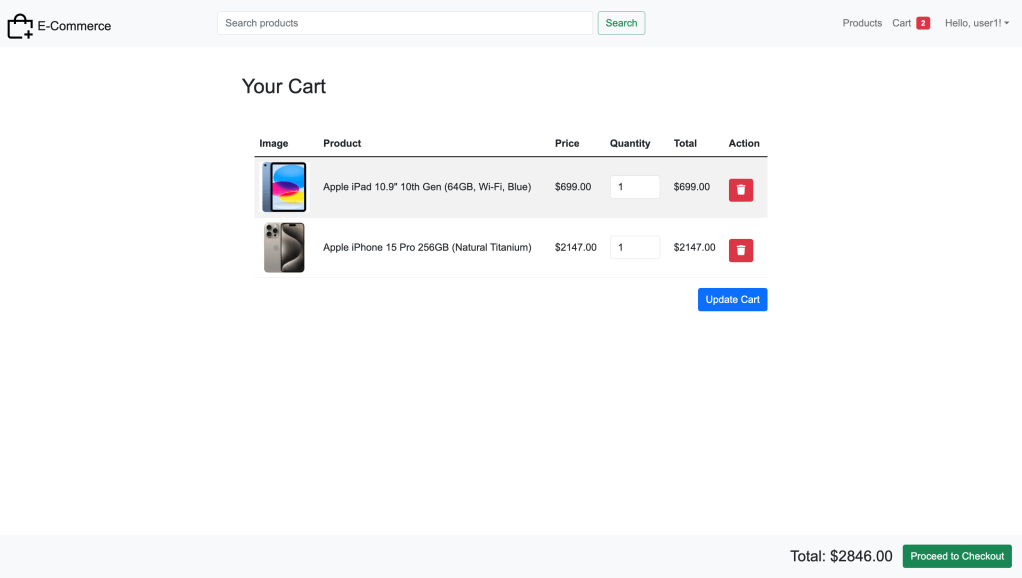
- Cart Management:
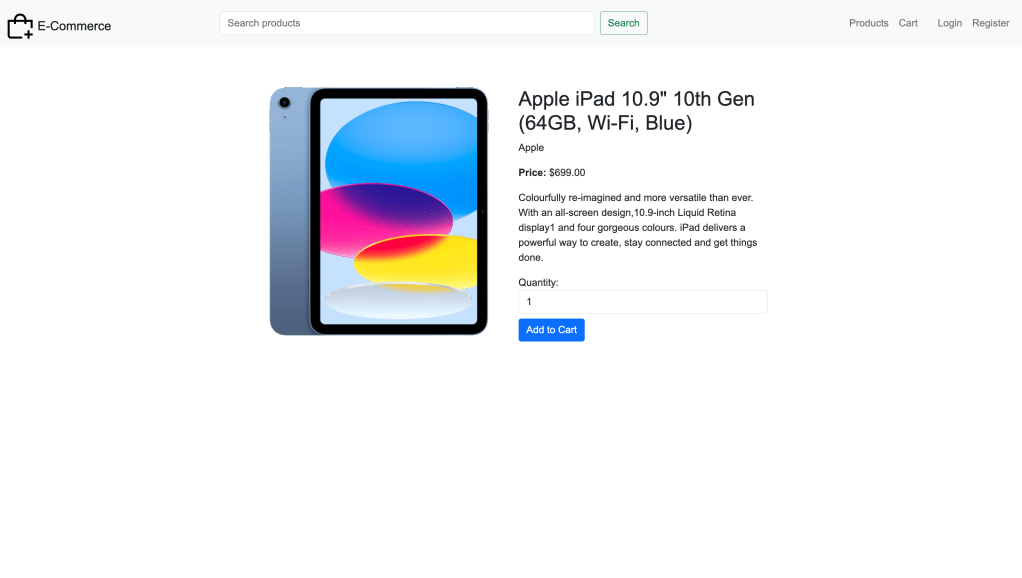
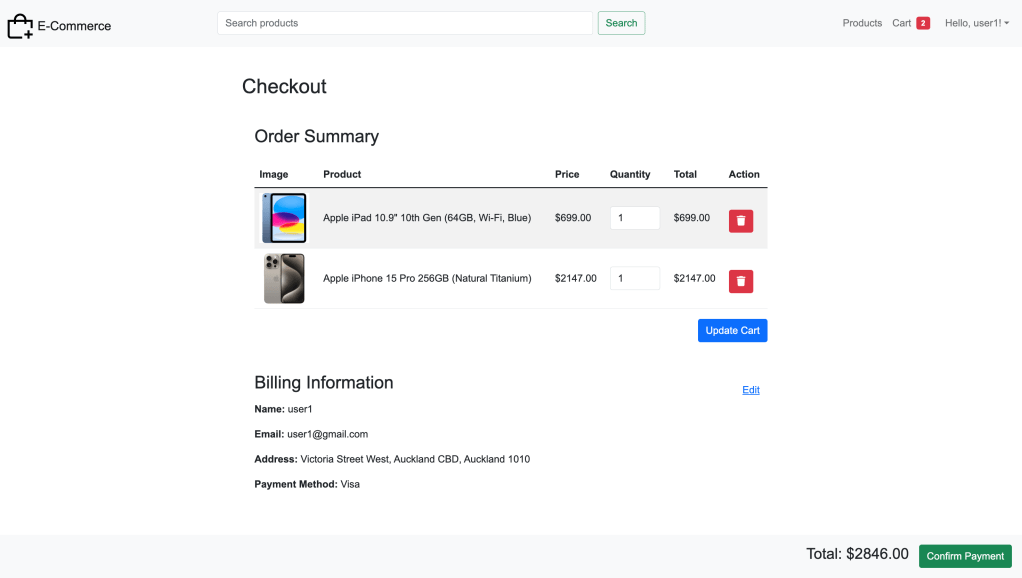
- Users can add products to their shopping cart, update quantities, and proceed to checkout. Cart items are stored in DynamoDB, ensuring real-time updates and availability.
- Order Management:
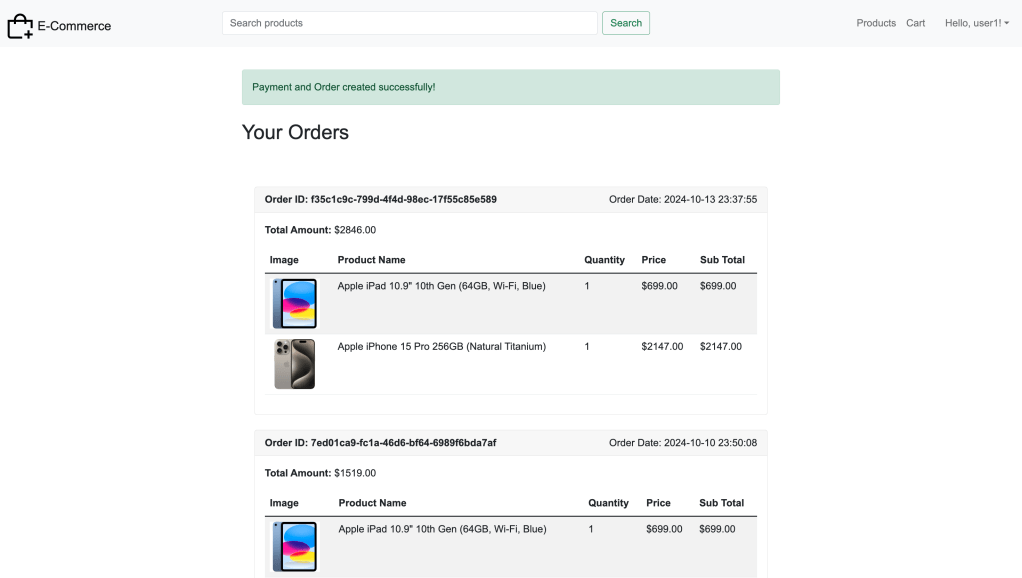
- Users can place orders. The order details include customer information, product details, and total order price.
- Search and Filtering:
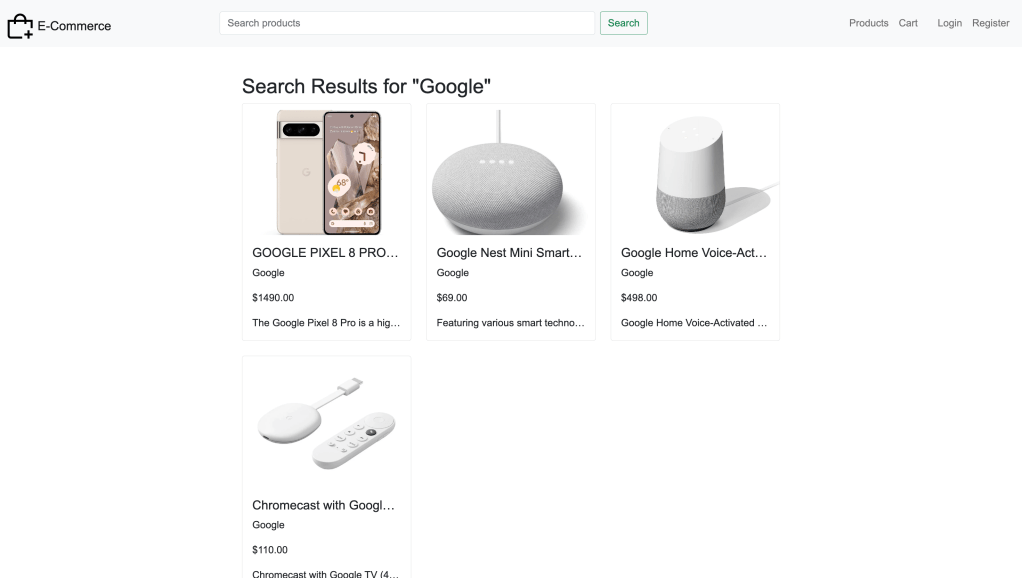
- Users can search for products based on product names, descriptions, or merchant names.
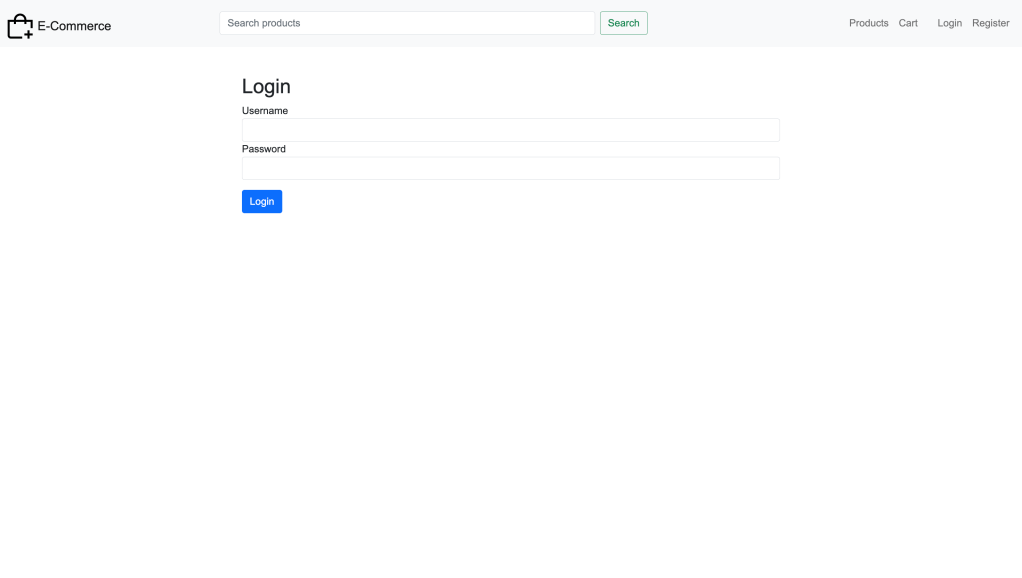
- User Authentication:
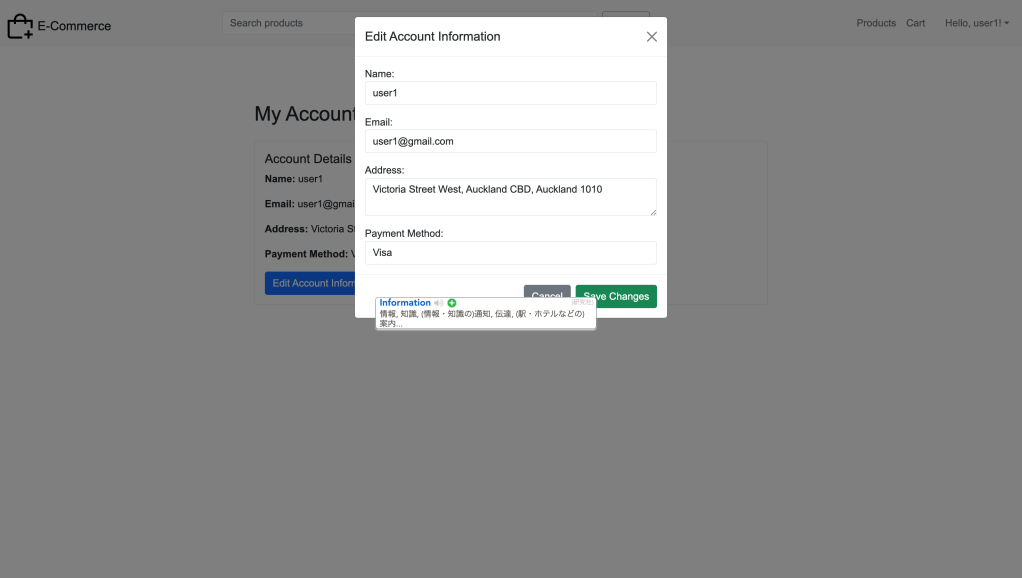
- Sessions are managed for users, allowing them to log in, view their profiles, and manage orders securely.
- Scalability:
- The platform can handle high traffic, thanks to the auto-scaling capabilities of AWS Lambda, DynamoDB’s flexibility, and API Gateway’s routing capabilities.
Tech Stack
- AWS Lambda:
- AWS Lambda serves as the compute layer, where the core business logic for different services (like product management, cart, and order processing) is handled.
- Each service is triggered through HTTP requests routed via API Gateway, making the platform highly modular and scalable.
- API Gateway:
- Amazon API Gateway is used to route external HTTP requests to appropriate Lambda functions.
- It provides a secure and scalable way to manage API endpoints, ensuring efficient communication between the client and the back-end services.
- AWS DynamoDB:
- DynamoDB is the core database solution, storing all products, cart items, users, payments and orders.
- NoSQL allows flexible schema management and quick real-time data access, which is crucial for e-commerce platforms.
- DynamoDB’s auto-scaling and managed infrastructure make it a perfect fit for handling varying loads in the platform.
- Flask (Python):
- Flask is used for the front-end web server, managing routing, session handling, and integrating with AWS services via APIs.
- It powers the user interface and interacts with AWS APIs to fetch and display data from the backend.
- Bootstrap:
- The front-end UI is built using Bootstrap for responsive and clean designs, ensuring a seamless user experience across devices.
Architecture Diagram:
- Frontend:
- The client-side of the application interacts with the back-end through API Gateway endpoints, where the data flow begins.
- Backend:
- Flask is the core backend that handles routing, session management, and acts as the interface between the user and the AWS API Gateway.
- API Gateway:
- Acts as the central routing service, forwarding requests to the appropriate Lambda functions.
- AWS Lambda:
- Multiple Lambda functions are invoked to perform specific actions, such as handling product search, updating the shopping cart, or processing an order. Those Lambda functions developed with Python.
- DynamoDB:
- Each Lambda function interacts with DynamoDB to either fetch or update data based on the service type.
Category:
Tags:
Links:
 Portfolio
Leave a comment