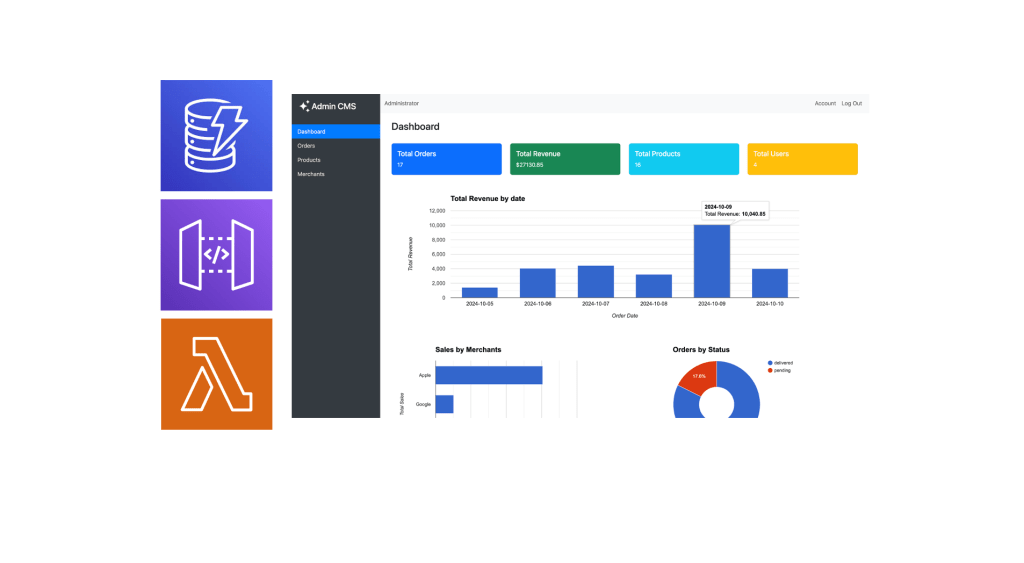
Overview:
This e-commerce platform allows users to browse products, manage a shopping cart, and place orders. This e-commerce website built using AWS services provides how serverless microservices can be used to build scalable and efficient applications. By utilizing AWS Lambda, API Gateway, and DynamoDB, I minimized infrastructure, improved scalability, and ensured a smooth user experience.
Screenshots

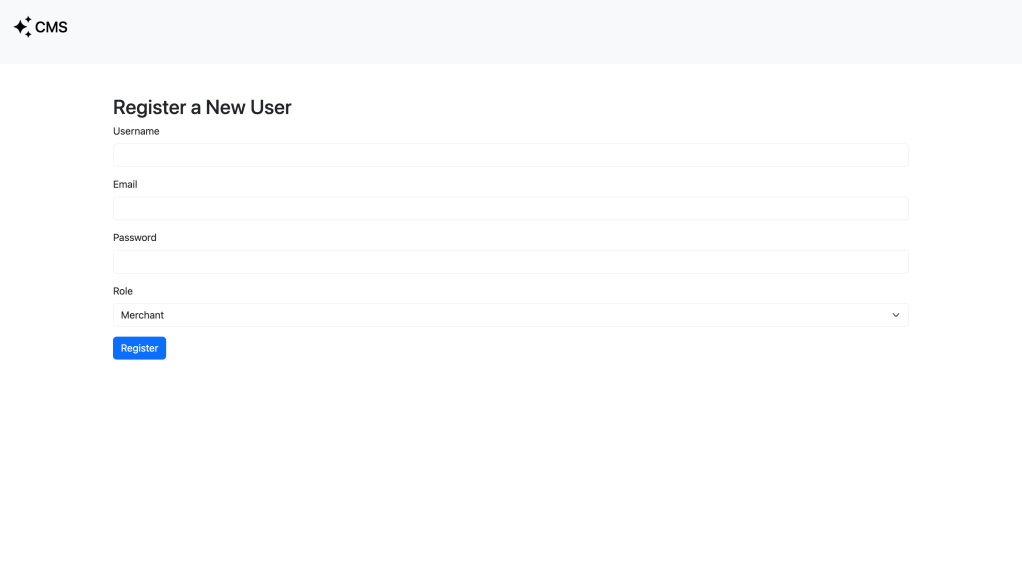


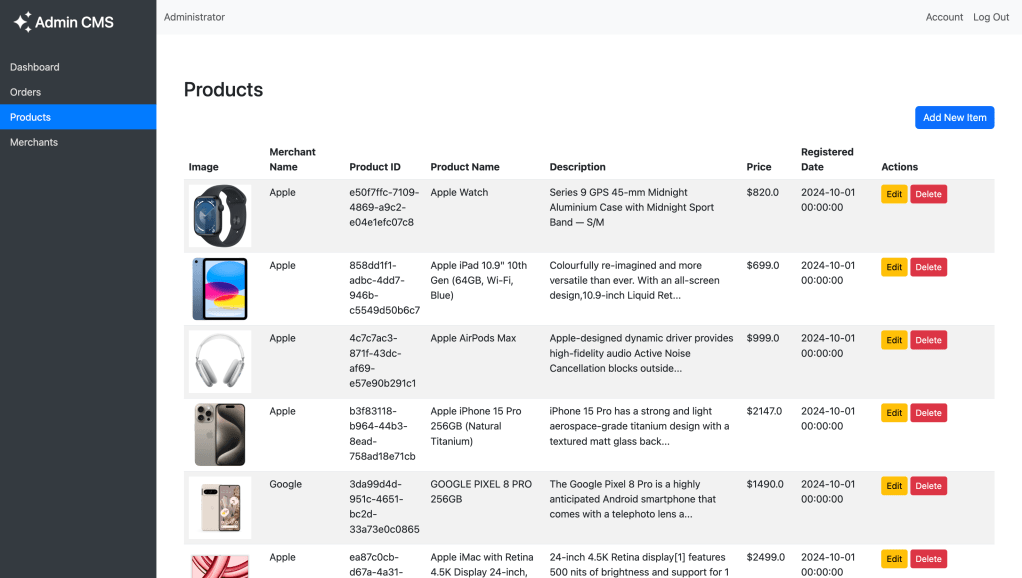
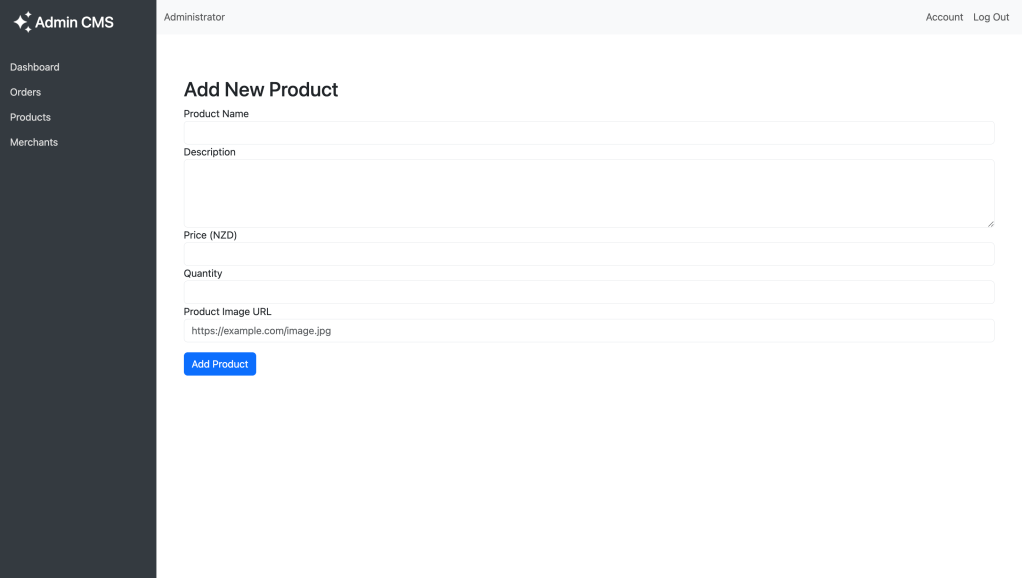

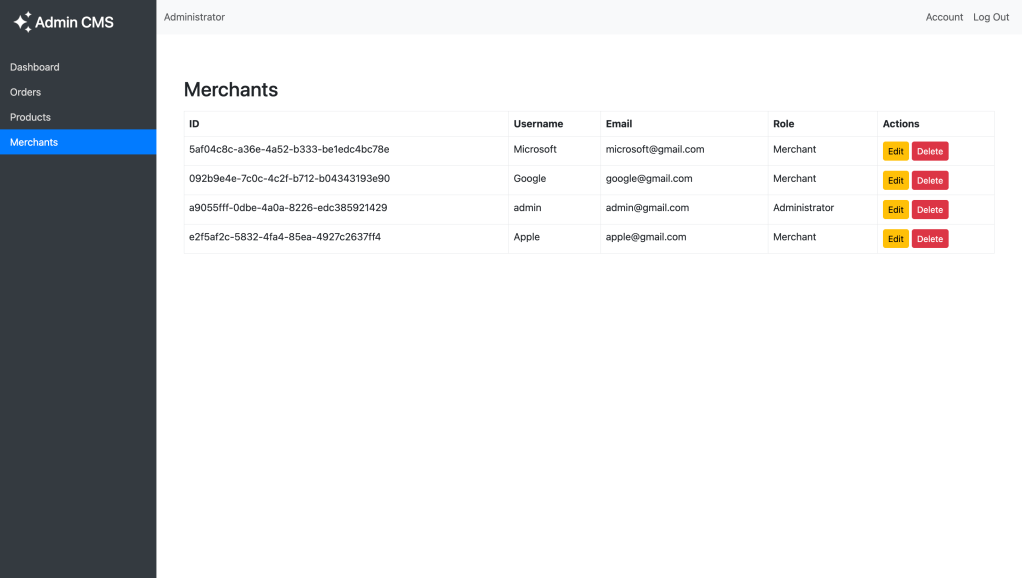
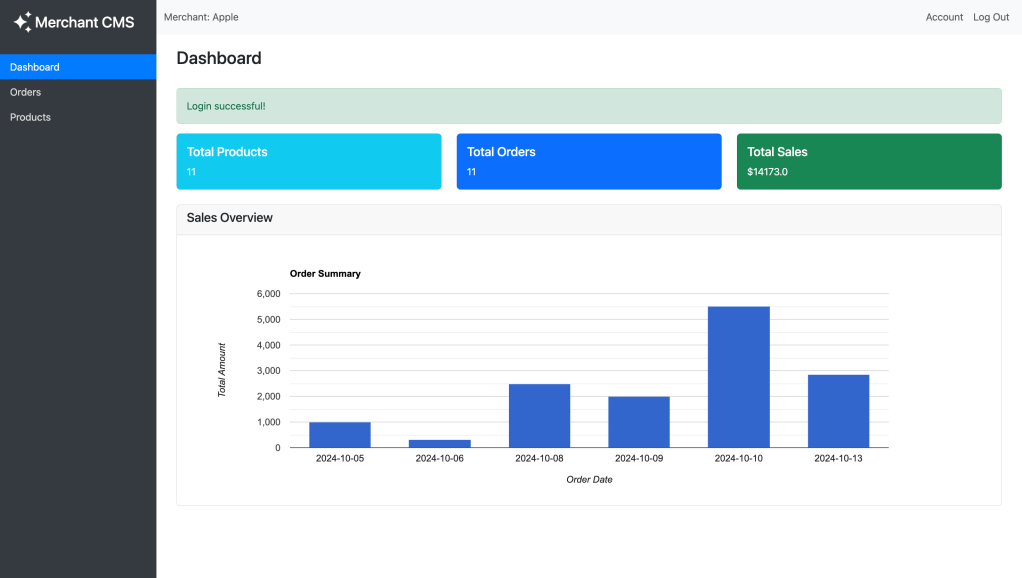
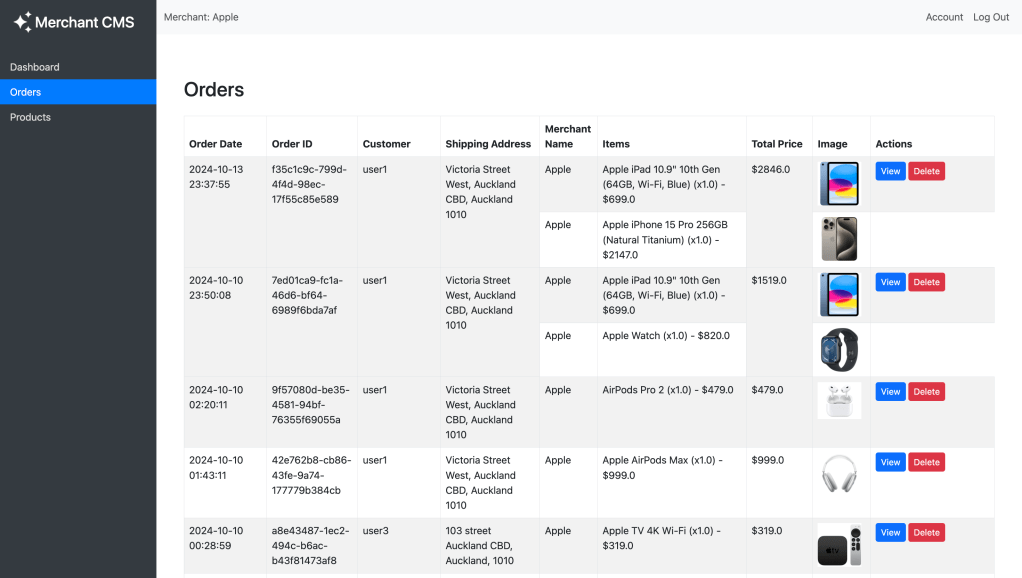
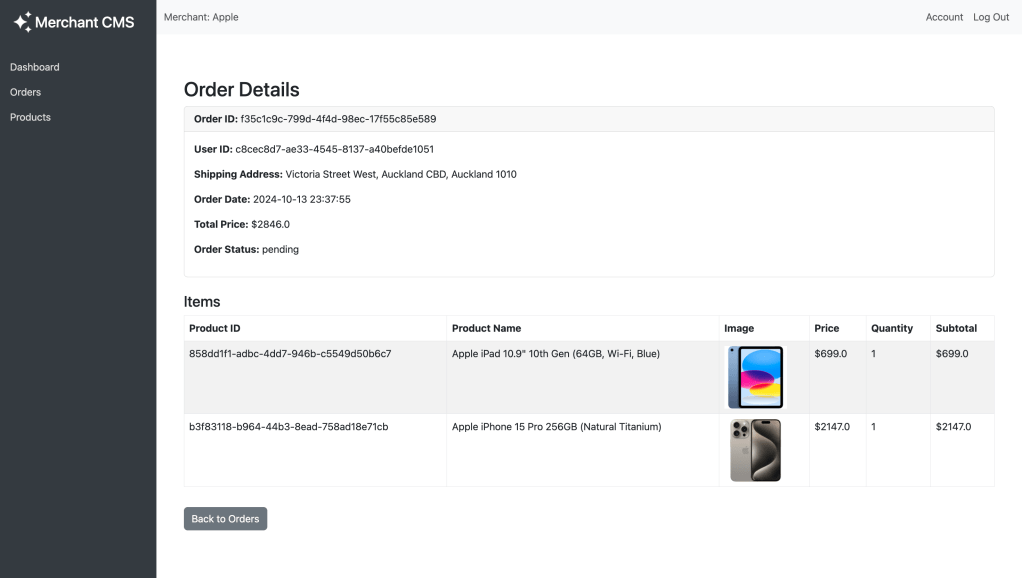
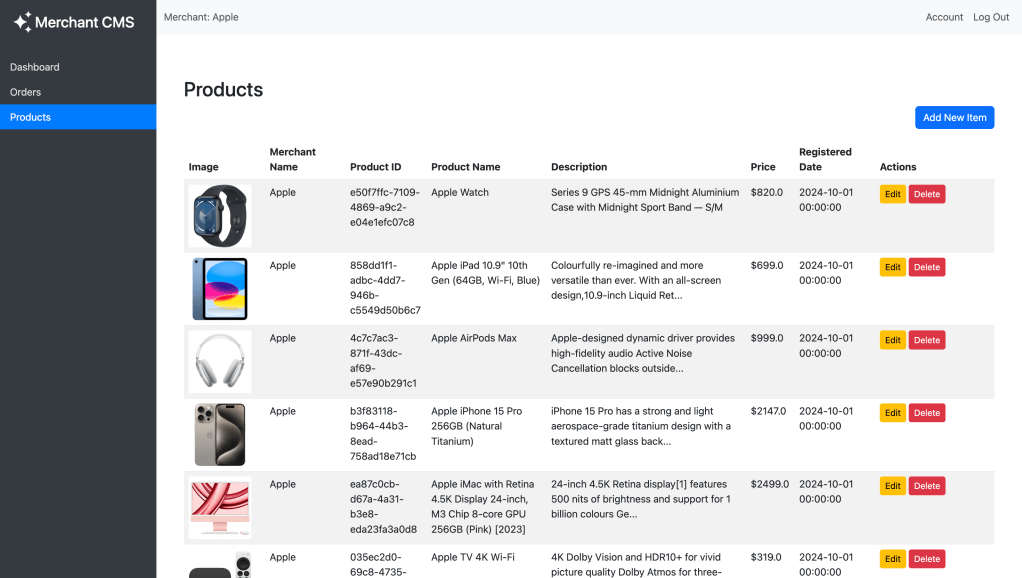
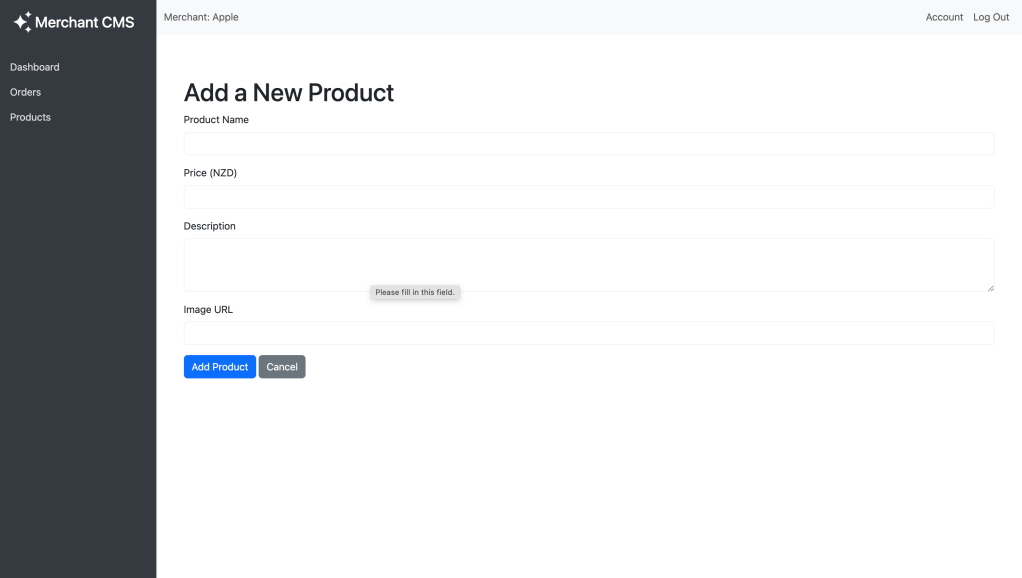

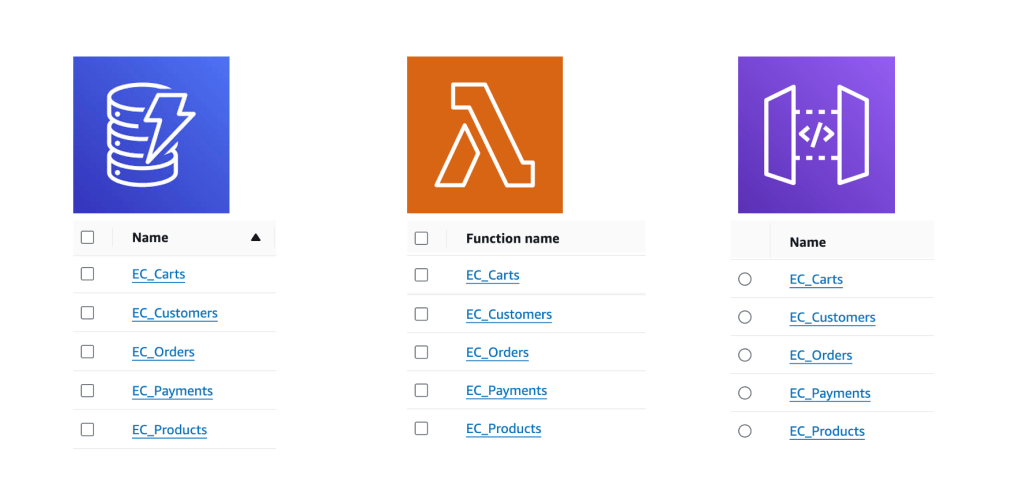
Key Features:
- Product Management:
- Admins and merchants can add, edit, delete, and view products.(CRUD Operation)
- Each product includes details such as name, description, price, images, and quantity.
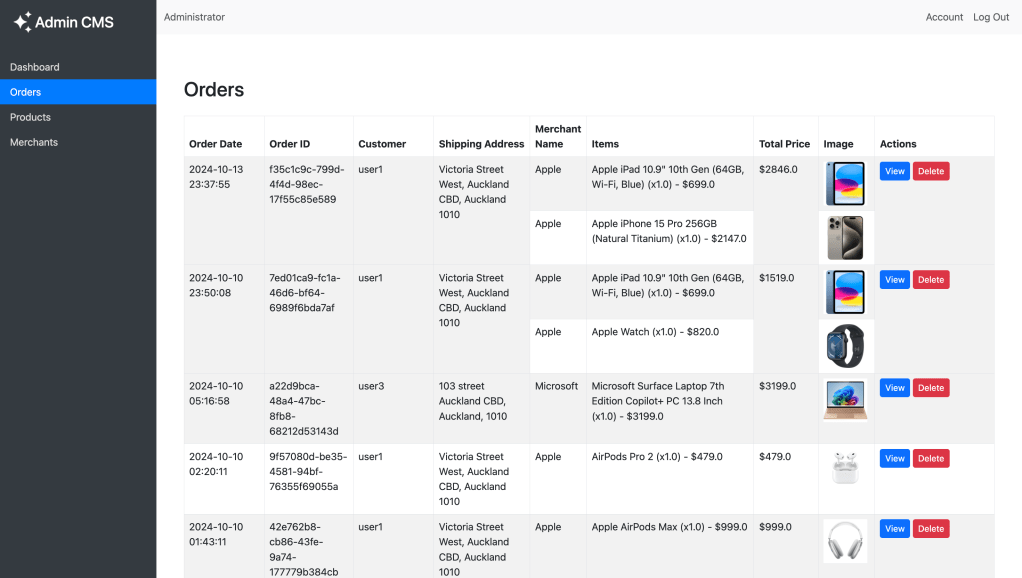
- Order Management:
- Order creation, retrieval, and management by both customers and admins.
- User Management:
- Admins can manage users, including customers and merchants.
- Role-based access controls are implemented for admins, merchants, and customers.
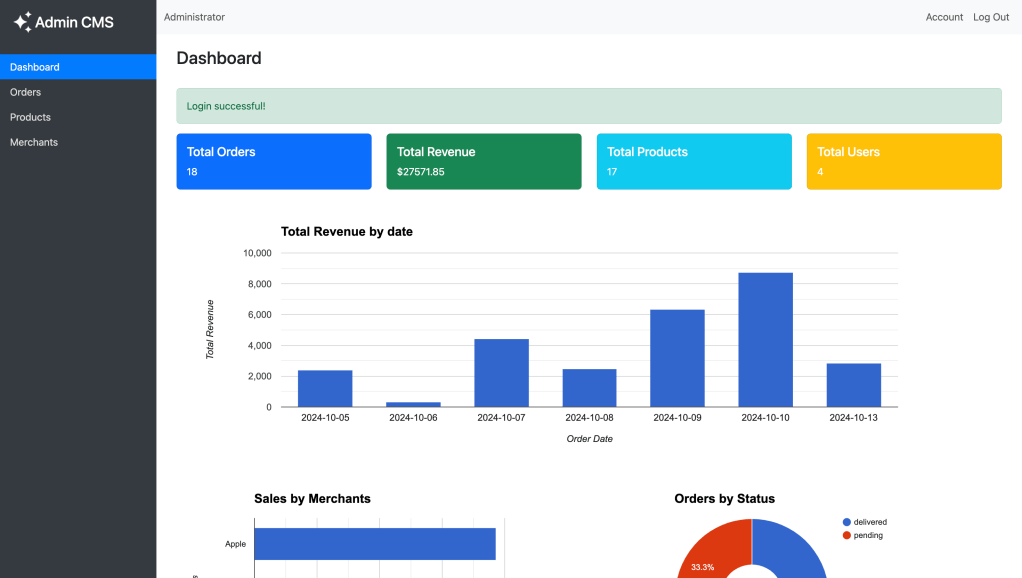
- Admin Dashboard:
- A dedicated dashboard for admin to manage products, orders and users.
- Provides a visualized summary of Total Revenue by date, Sales by Merchants, and Orders by Status.
- Merchant Dashboard:
- A dedicated dashboard for merchants to manage their products and track orders.
- Merchants can see their sales summary, product performance, and recent orders.
- Scalability and Resilience:
- The microservices architecture allows for independent scaling of services based on traffic.
- Using AWS services ensures high availability and fault tolerance.
Tech Stack
- AWS Lambda:
- AWS Lambda serves as the compute layer, where the core business logic for different services (like product management, user management, and order processing) is handled.
- Each service is triggered through HTTP requests routed via API Gateway, making the platform highly modular and scalable.
- API Gateway:
- Amazon API Gateway is used to route external HTTP requests to appropriate Lambda functions.
- It provides a secure and scalable way to manage API endpoints, ensuring efficient communication between the users and the back-end services.
- AWS DynamoDB:
- DynamoDB is the core database solution, storing all products, order items, and users.
- NoSQL allows flexible schema management and quick real-time data access, which is crucial for e-commerce platforms.
- DynamoDB’s auto-scaling and managed infrastructure make it a perfect fit for handling varying loads in the platform.
- Flask (Python):
- Flask is used for the front-end web server, managing routing, session handling, and integrating with AWS services via APIs.
- It powers the user interface and interacts with AWS APIs to fetch and display data from the backend.
- Bootstrap:
- The front-end UI is built using Bootstrap for responsive and clean designs, ensuring a seamless user experience across devices.
Architecture Diagram:
- Frontend:
- The client-side of the application interacts with the back-end through API Gateway endpoints, where the data flow begins.
- Backend:
- Flask is the core backend that handles routing, session management, and acts as the interface between the user and the AWS API Gateway.
- API Gateway:
- Acts as the central routing service, forwarding requests to the appropriate Lambda functions.
- AWS Lambda:
- Multiple Lambda functions are invoked to perform specific actions, such as handling product, orders, and users. Those Lambda functions are developed with Python.
- DynamoDB:
- Each Lambda function interacts with DynamoDB to either fetch or update data based on the service type.
Category:
Tags:
Links:
 Portfolio
Leave a comment