Overview:
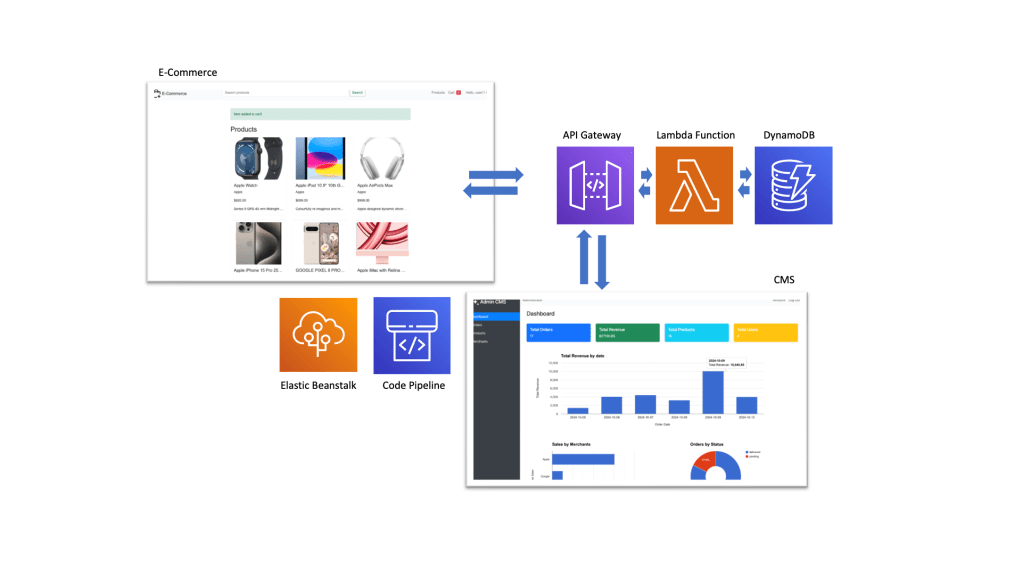
This project integrated the E-Commerce website and CMS using a microservices architecture. E-Commerce website where users can browse and purchase products, while merchants can manage their products, track orders, and process payments. In addition, the CMS to manage content related to products, users, orders, and analytics. The entire system was architected as microservices, with each functionality having its own dedicated service, making the platform easy to extend and scale in the future. By leveraging cloud-based technologies such as AWS DynamoDB, Lambda, API Gateway, CodePipeline, and Elastic Beanstalk, which allowed for a highly scalable and efficient solution. The system was designed with a microservices architecture to separate critical functions and ensure modular, maintainable, and high-performing services.
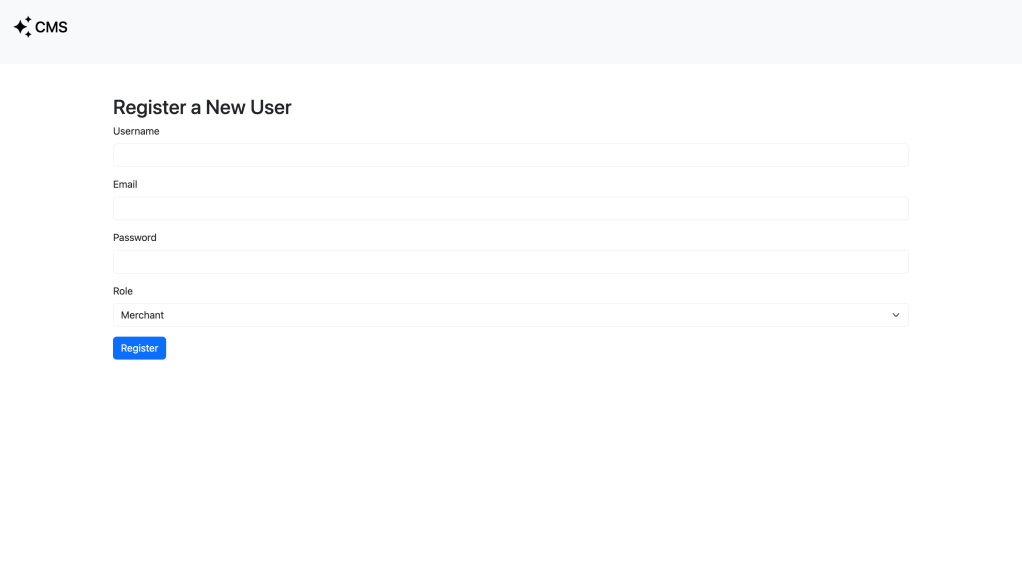
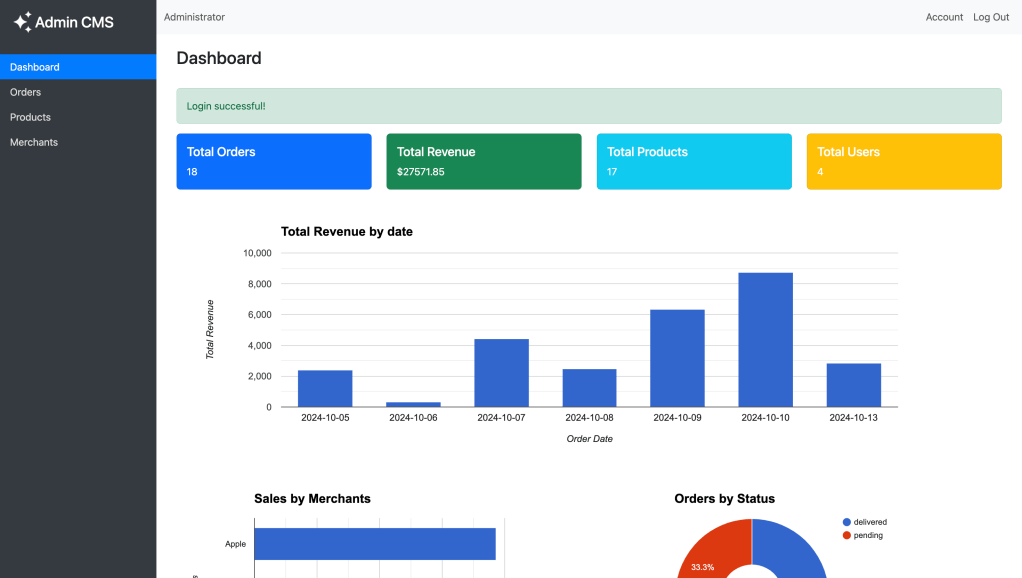
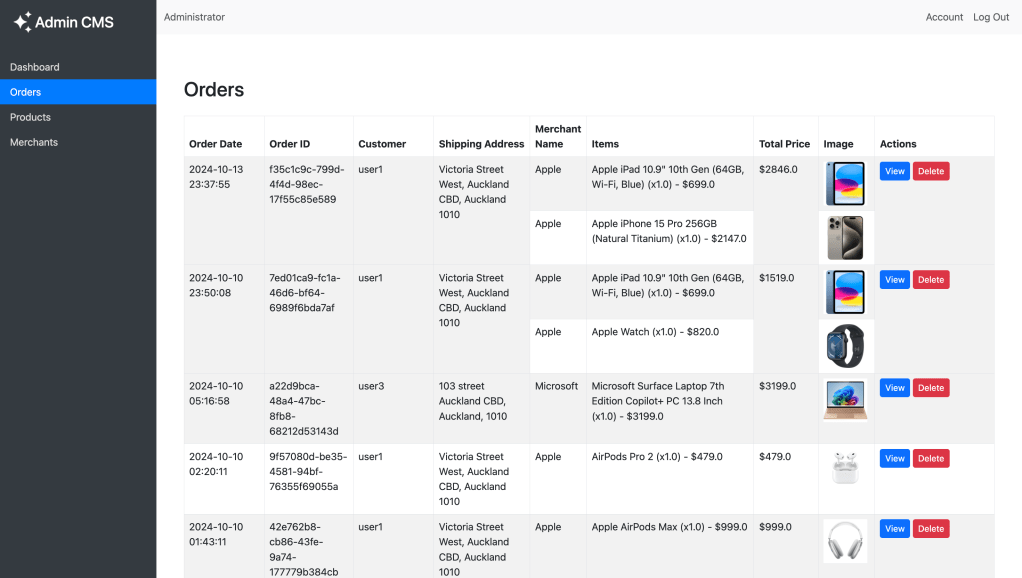
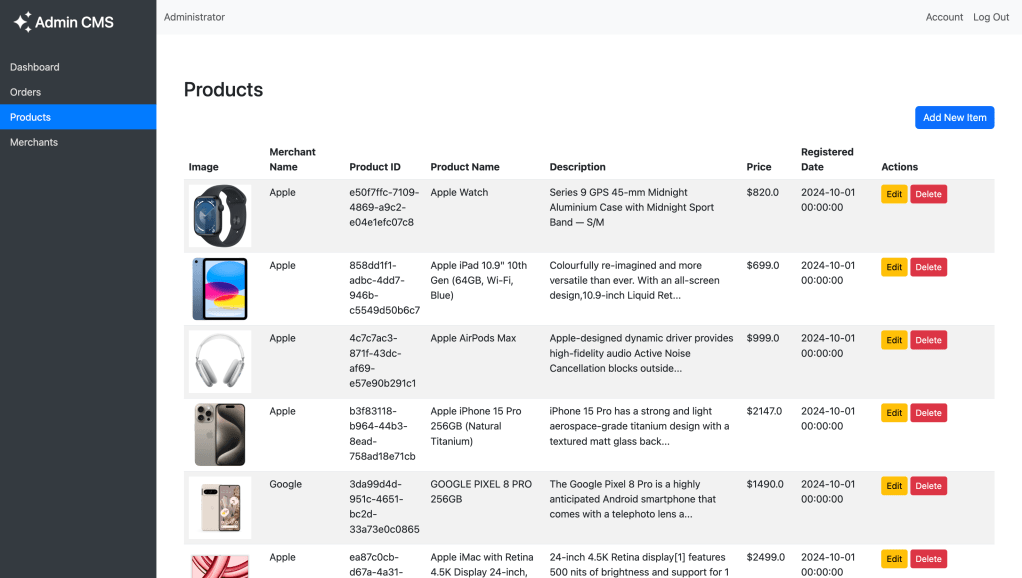
Screenshots



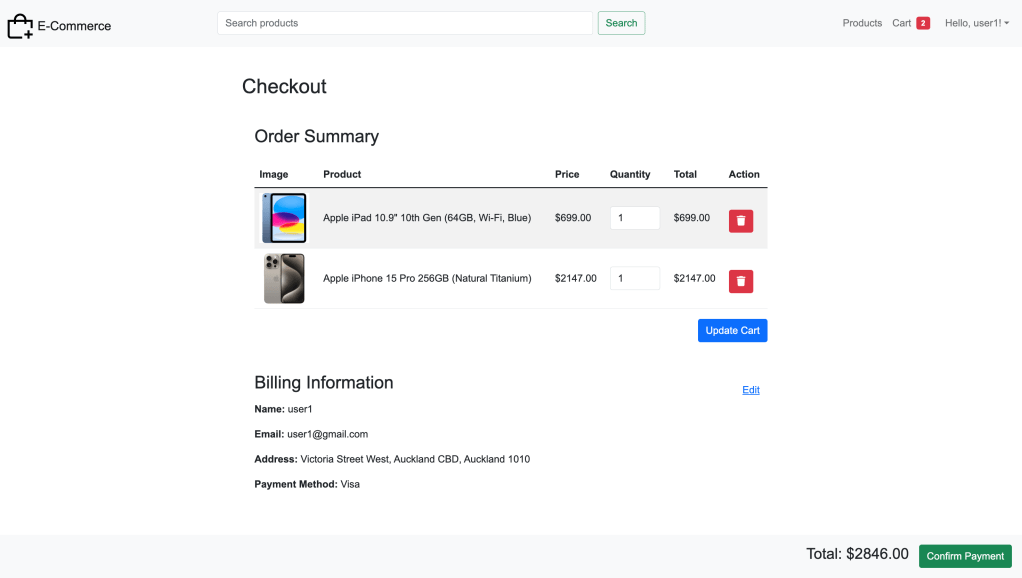
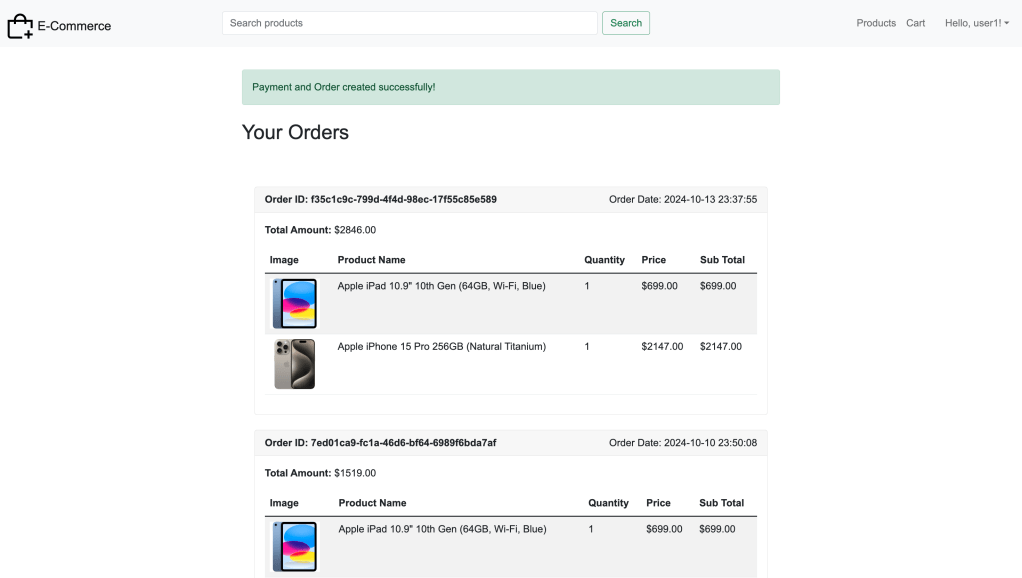
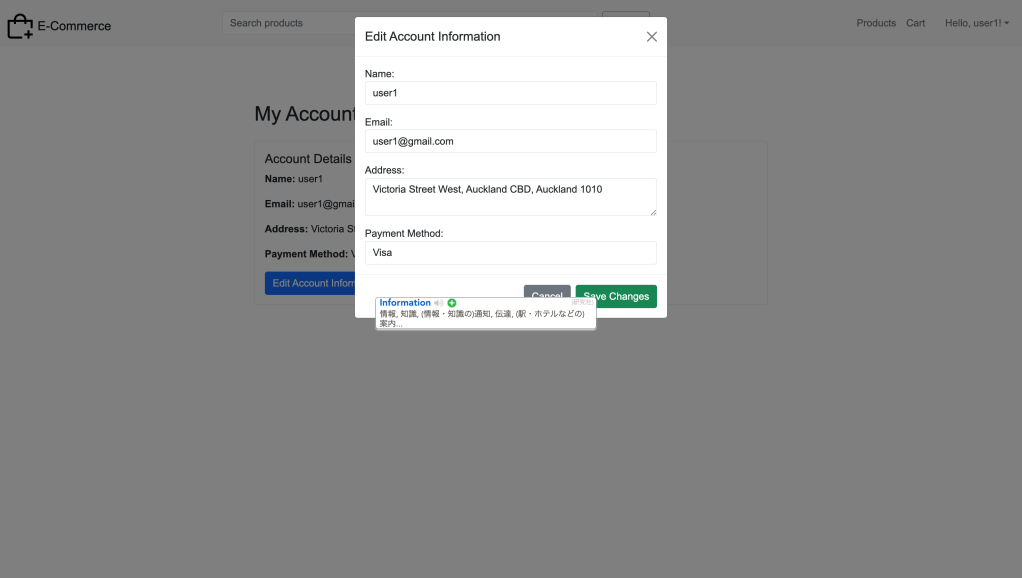
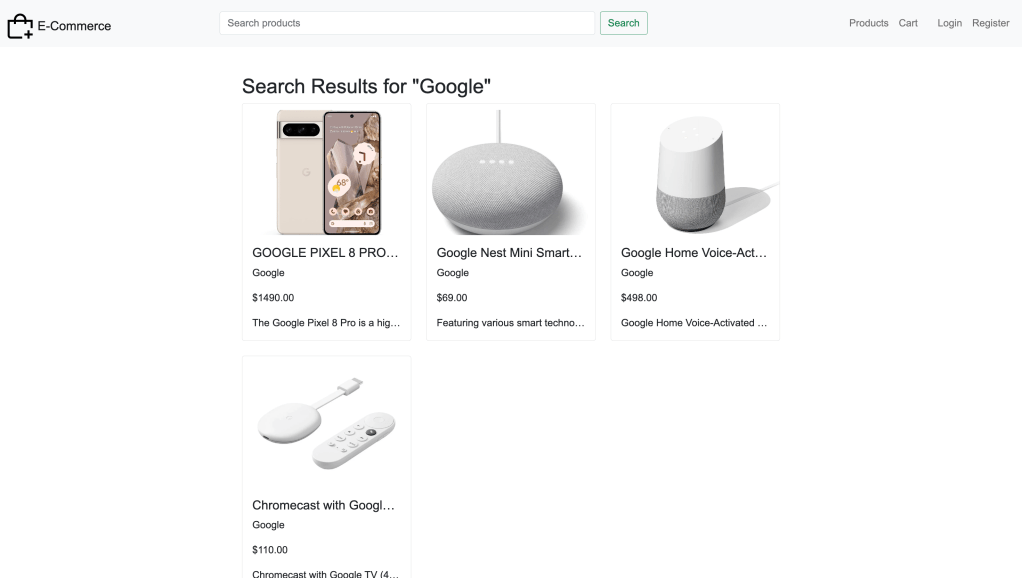



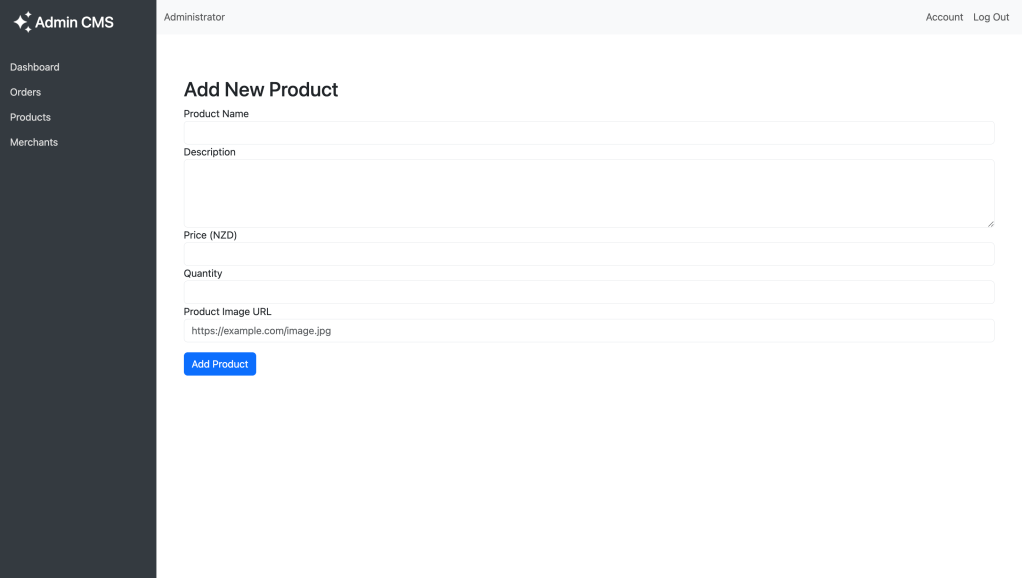

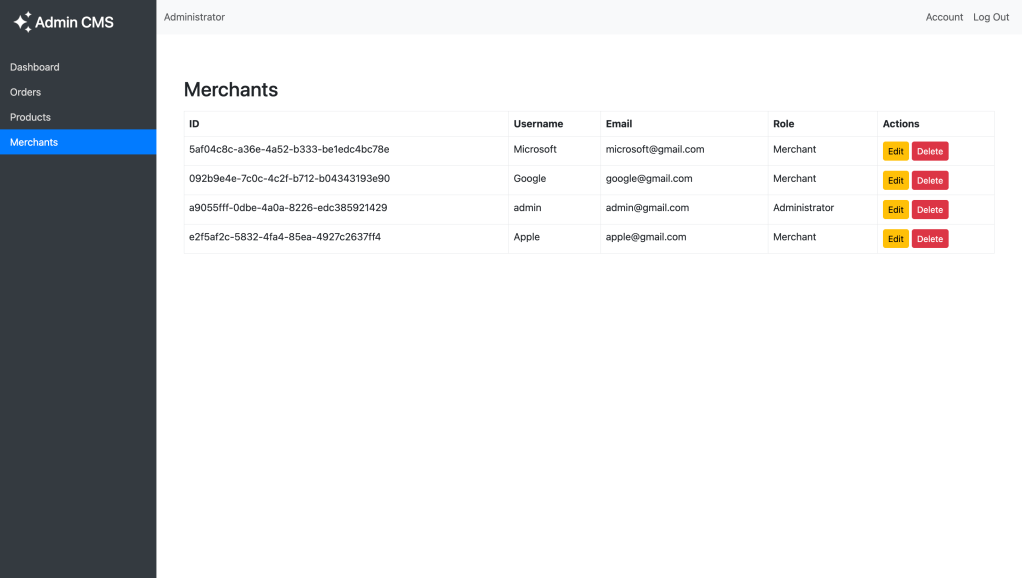
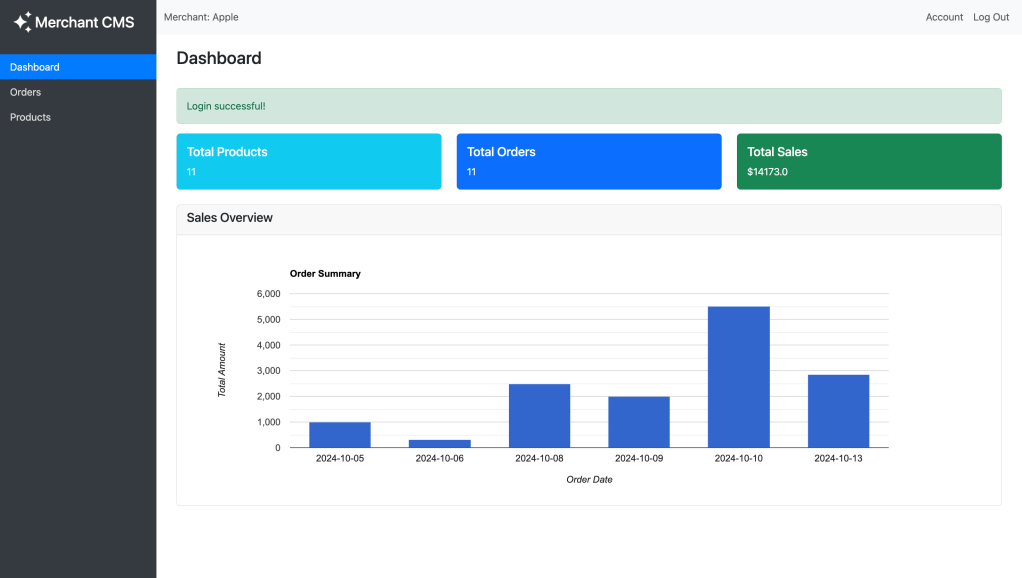
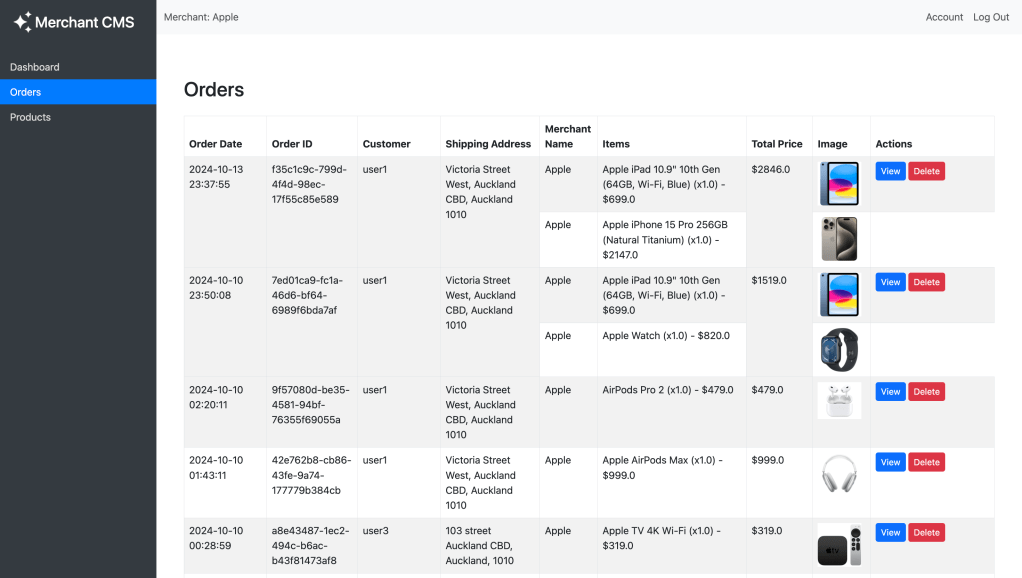

Key Features:
- User Management:
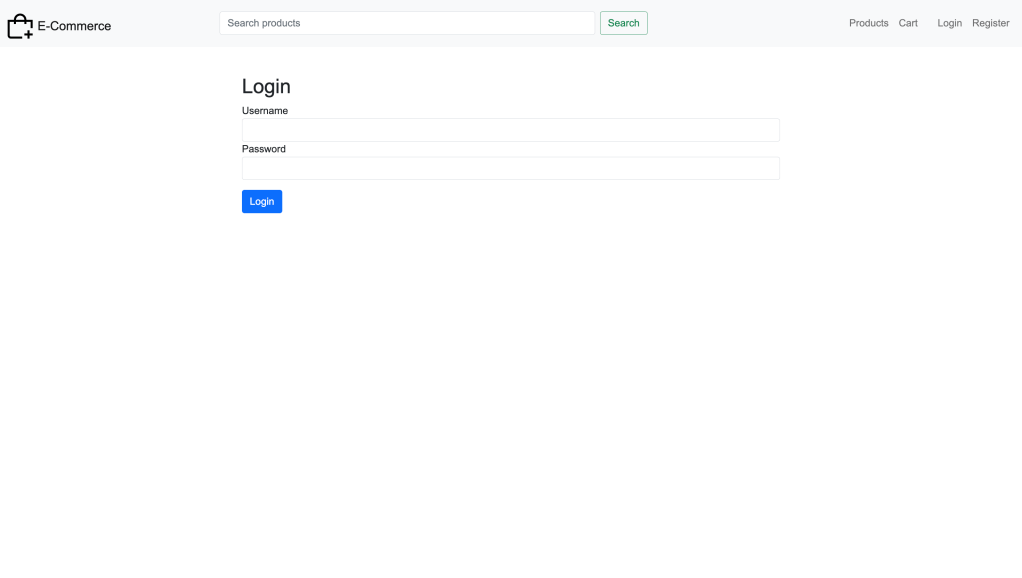
- Role-based access for Administrators, Merchants, and Customers.
- Separate DynamoDB tables for Customers, Merchants, and Admins for improved security and performance.
- Product Management:
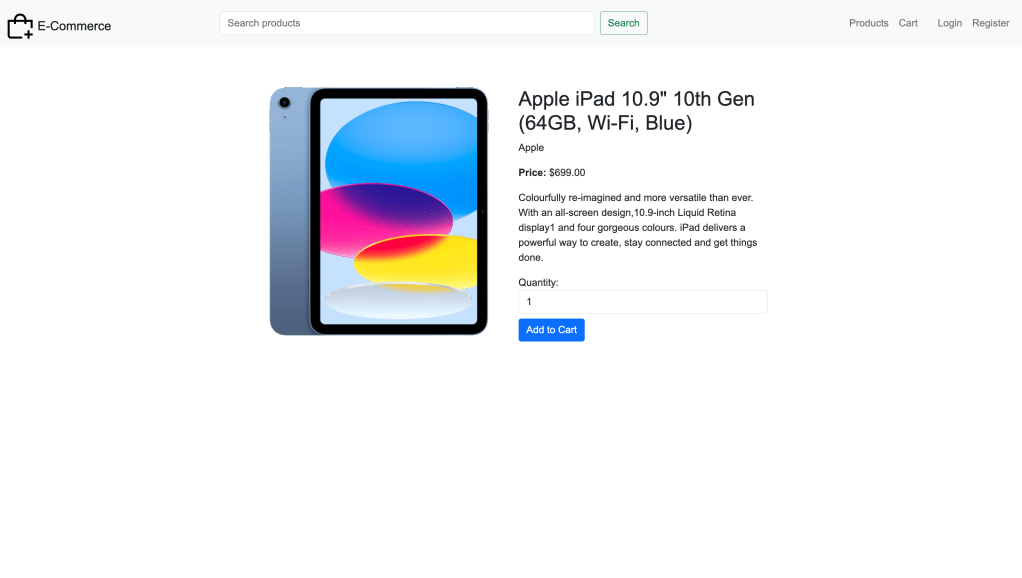
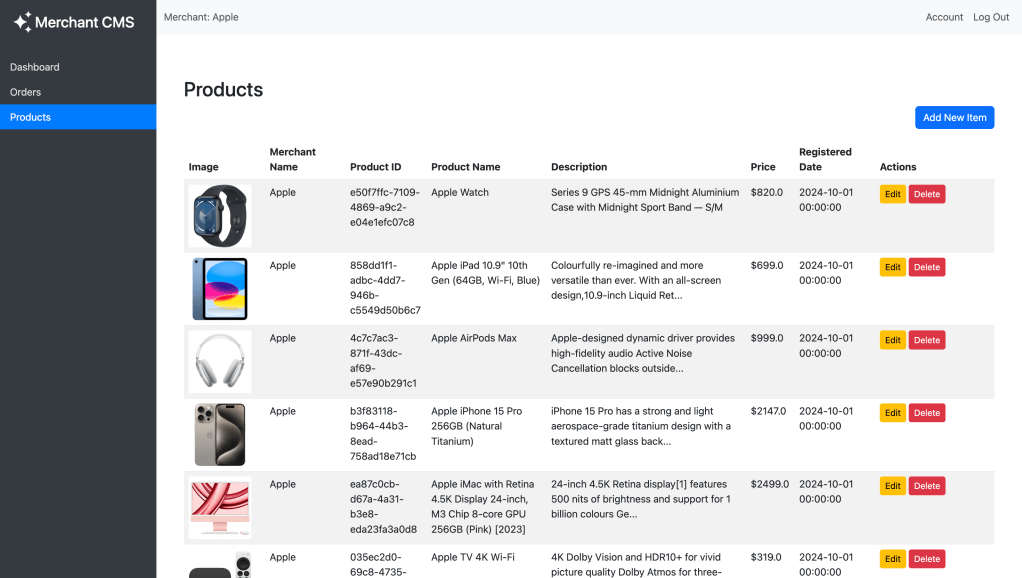
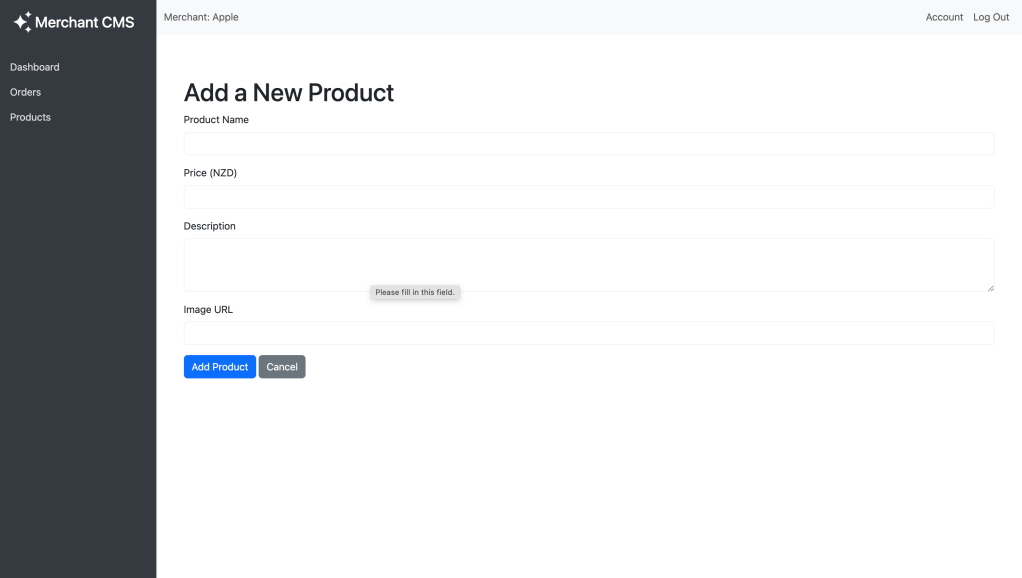
- CRUD operations (Create, Read, Update, Delete) for products via API Gateway and Lambda functions.
- Merchants can manage their product listings and set pricing via merchant pages.
- Order Management:
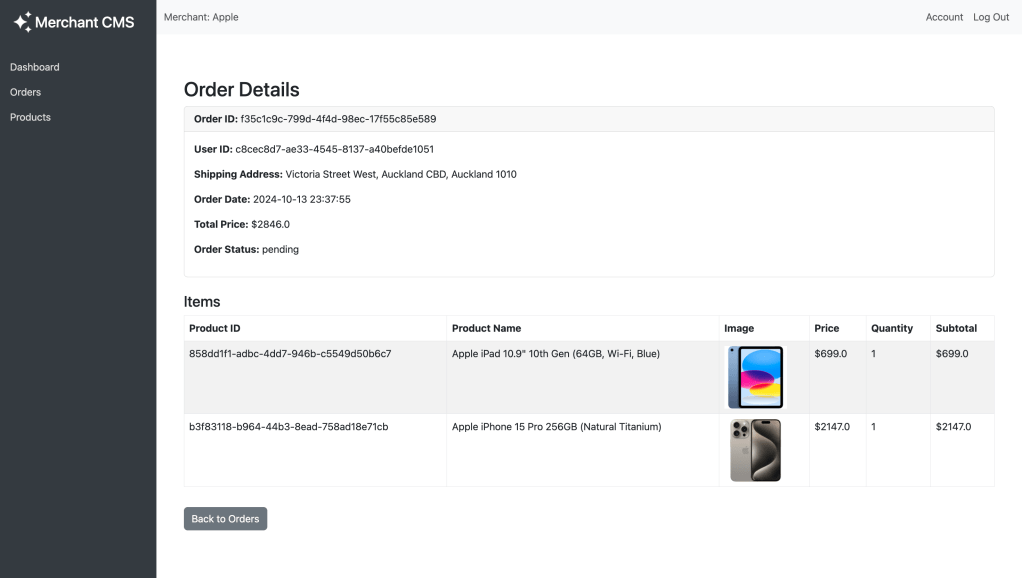
- Admins and merchants have access to detailed order management, including the ability to view, edit, and update orders.
- Cart and Payment Integration:
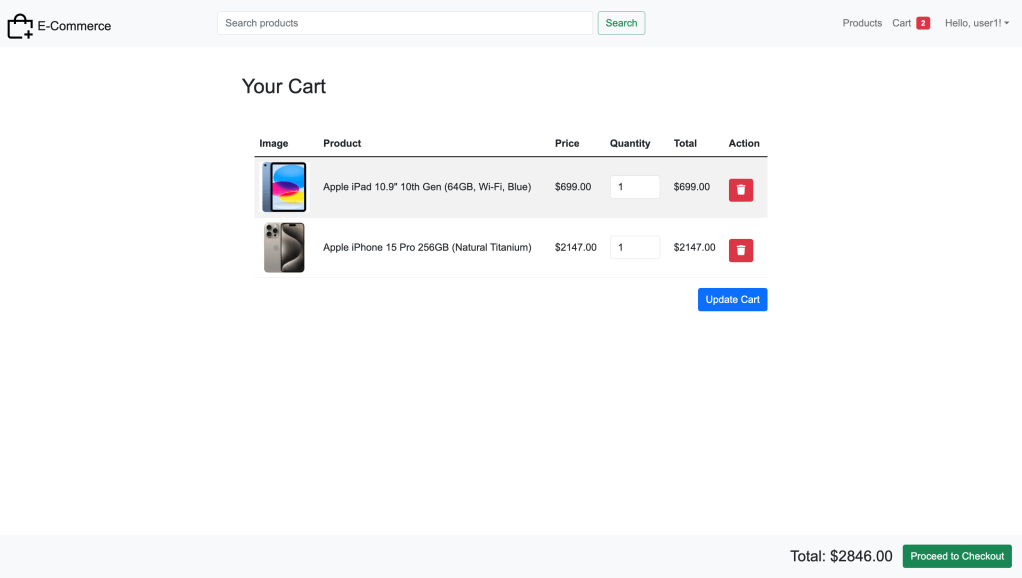
- Customers can add products to the cart and proceed to checkout with integrated payment processing.
- Secure handling of payments via API Gateway paths and Lambda functions.
- Content Management System (CMS):
- The CMS is designed to allow administrators to manage website content dynamically.
- Administrators can manage orders, products, and user data in real-time while merchants can manage their products.
- Analytics Dashboard:
- A dashboard for administrators that includes insights into Total Revenue, Sales by Merchants, and Order status.
- Microservices Architecture:
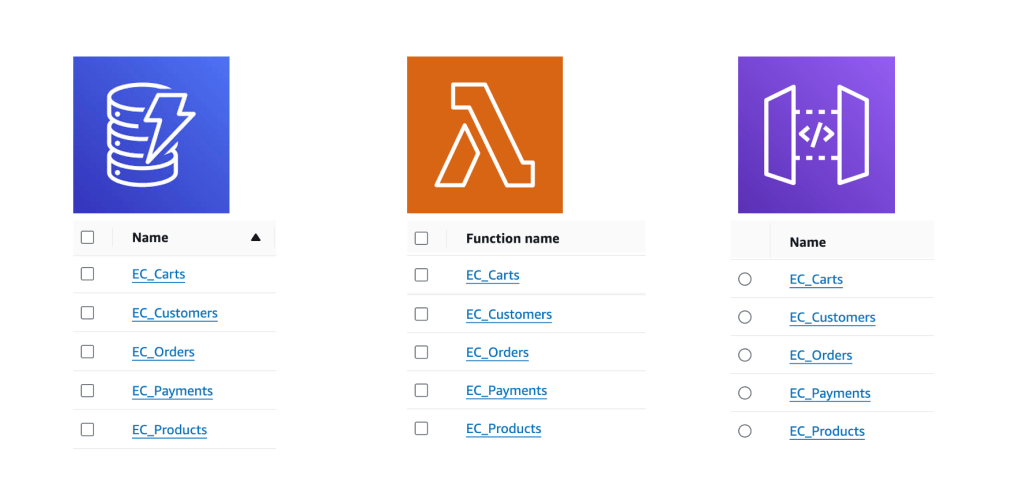
- Each component—Users, Orders, Payments, Products, and Cart—was built as a standalone microservice, each with its own API Gateway path and Lambda functions.
- Serverless Architecture:
- By using AWS Lambda for business logic and API Gateway for routing, the system is highly scalable and cost-effective, with no need to manage physical servers.
- Automated Deployment:
- Continuous integration and delivery (CI/CD) were implemented using AWS CodePipeline, ensuring smooth and automated updates.
Tech Stack
- AWS Lambda:
- AWS Lambda serves as the compute layer, where the core business logic for different services (like product management, user management, and order processing) is handled.
- Each service is triggered through HTTP requests routed via API Gateway, making the platform highly modular and scalable.
- API Gateway:
- Amazon API Gateway is used to route external HTTP requests to appropriate Lambda functions.
- It provides a secure and scalable way to manage API endpoints, ensuring efficient communication between the users and the back-end services.
- AWS DynamoDB:
- DynamoDB is the core database solution, storing all products, order items, and users.
- NoSQL allows flexible schema management and quick real-time data access, which is crucial for e-commerce platforms.
- DynamoDB’s auto-scaling and managed infrastructure make it a perfect fit for handling varying loads in the platform.
- Elastic Beanstalk:
- Provided the environment for deploying the E-Commerce website and CMS front-end, with seamless scaling and environment management.
- AWS CodePipeline:
- Implemented for CI/CD, automating the deployment process for Lambda functions, the CMS, and the E-Commerce front-end.
- Flask (Python):
- Flask is used for the front-end web server, managing routing, session handling, and integrating with AWS services via APIs.
- It powers the user interface and interacts with AWS APIs to fetch and display data from the backend.
- Bootstrap:
- The front-end UI is built using Bootstrap for responsive and clean designs, ensuring a seamless user experience across devices.
Category:
Tags:
Links:
 Portfolio
Leave a comment